
The Panj Takht, also known as the Five Takhts of Sikhism, are the highest seats of religious and temporal authority in Sikhism. These sacred institutions hold immense spiritual, historical, and administrative significance for Sikhs around the world. Established by the Sikh Gurus over different periods, each Takht is associated with important events in Sikh history and plays a vital role in preserving Sikh traditions and values.
Three of the Panj Takht are located in Punjab, while the remaining two are situated in Bihar and Maharashtra. Every year, millions of devotees visit these holy places to offer prayers, participate in religious ceremonies, and learn about Sikh heritage.
This guide explains the meaning of Panj Takht, their history, importance, and provides an overview of each of the Five Takhts.
Quick Information
| Information | Details |
| Religious Tradition | Sikhism |
| Total Takhts | 5 |
| Meaning of Takht | Throne or Seat of Authority |
| Established By | Sikh Gurus |
| States Covered | Punjab, Bihar, Maharashtra |
| Entry Fee | Free |
| Open To | Everyone |
| Main Purpose | Religious, Spiritual, and Administrative Authority |
What Is a Takht?
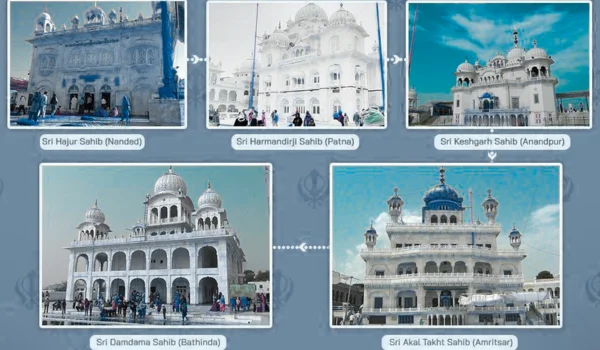
The word Takht comes from the Persian language and means “throne” or “seat of authority.”
In Sikhism, a Takht represents the highest seat of religious and temporal authority. It is a place where important decisions concerning the Sikh community may be discussed and where significant religious ceremonies are conducted.
Each Takht also preserves important historical memories connected with the Sikh Gurus.
What Does Panj Takht Mean?
Panj means five, and Takht means seat of authority.
Together, Panj Takht refers to the Five Highest Sikh Religious Seats that guide and preserve Sikh traditions.
These Takhts are regarded with great respect by Sikhs across the world.
Why Are the Panj Takht Important?
The Five Takhts are important because they:
- Preserve Sikh history.
- Commemorate major events in the lives of the Sikh Gurus.
- Promote Sikh teachings and values.
- Serve as major pilgrimage destinations.
- Host important religious ceremonies.
- Help preserve Sikh heritage for future generations.
List of the Five Takhts
| Takht | Location | State |
| Akal Takht | Amritsar | Punjab |
| Takht Sri Keshgarh Sahib | Anandpur Sahib | Punjab |
| Takht Sri Damdama Sahib | Talwandi Sabo | Punjab |
| Takht Sri Patna Sahib | Patna | Bihar |
| Takht Sri Hazur Sahib | Nanded | Maharashtra |
- Akal Takht
Location
Amritsar, Punjab
Established By
Guru Hargobind Sahib Ji
Significance
Akal Takht is considered the highest temporal authority in Sikhism. It stands directly opposite Sri Harmandir Sahib (Golden Temple) and symbolizes the balance between spiritual guidance and temporal responsibility.
Highlights
- Highest temporal authority in Sikhism
- Located within the Golden Temple complex
- Historic Sikh decision-making center
- Houses important Sikh artifacts
- Takht Sri Keshgarh Sahib
Location
Anandpur Sahib, Punjab
Established By
Guru Gobind Singh Ji
Significance
Takht Sri Keshgarh Sahib is the birthplace of the Khalsa, established by Guru Gobind Singh Ji during Baisakhi in 1699.
Highlights
- Birthplace of the Khalsa
- One of the holiest Sikh pilgrimage sites
- Major Baisakhi celebrations
- Historic weapons associated with Guru Gobind Singh Ji
- Takht Sri Damdama Sahib
Location
Talwandi Sabo (Bathinda District), Punjab
Significance
Takht Sri Damdama Sahib is regarded as an important center of Sikh learning. It is associated with Guru Gobind Singh Ji, who spent considerable time here after the Battle of Muktsar.
Highlights
- Center of Sikh education
- Associated with Guru Gobind Singh Ji
- Important pilgrimage destination
- Large annual religious gatherings
- Takht Sri Patna Sahib
Location
Patna, Bihar
Significance
Takht Sri Patna Sahib marks the birthplace of Guru Gobind Singh Ji, the tenth Sikh Guru.
It is among the most important Sikh pilgrimage sites and attracts devotees from across the world.
Highlights
- Birthplace of Guru Gobind Singh Ji
- One of the Five Takhts
- Historical relics and manuscripts
- Daily Kirtan and Langar
- Takht Sri Hazur Sahib
Location
Nanded, Maharashtra
Significance
Takht Sri Hazur Sahib commemorates the place where Guru Gobind Singh Ji spent the final days of his earthly life.
It remains one of Sikhism’s most sacred destinations.
Highlights
- One of the Five Takhts
- Rich Sikh history
- Sacred relics
- Grand evening ceremonies
- Major pilgrimage center
State-wise Distribution of the Panj Takht
| State | Takhts |
| Punjab | Akal Takht, Takht Sri Keshgarh Sahib, Takht Sri Damdama Sahib |
| Bihar | Takht Sri Patna Sahib |
| Maharashtra | Takht Sri Hazur Sahib |
Religious Importance of the Five Takhts
Each Takht preserves a unique chapter of Sikh history.
- Akal Takht represents temporal authority.
- Keshgarh Sahib commemorates the creation of the Khalsa.
- Damdama Sahib symbolizes Sikh scholarship and learning.
- Patna Sahib celebrates the birth of Guru Gobind Singh Ji.
- Hazur Sahib marks Guru Gobind Singh Ji’s final earthly journey.
Together, these Takhts represent the spiritual strength, historical legacy, and enduring values of Sikhism.
Pilgrimage to the Panj Takht
Many Sikh devotees aspire to visit all Five Takhts during their lifetime. While there is no mandatory order, a common pilgrimage itinerary is:
- Akal Takht (Amritsar)
- Takht Sri Keshgarh Sahib (Anandpur Sahib)
- Takht Sri Damdama Sahib (Talwandi Sabo)
- Takht Sri Patna Sahib (Patna)
- Takht Sri Hazur Sahib (Nanded)
Pilgrims often combine these visits with other significant Gurudwaras located nearby.
Best Time to Visit
The Five Takhts can be visited throughout the year.
Popular occasions include:
- Gurpurabs
- Baisakhi
- Hola Mohalla
- Guru Gobind Singh Ji Prakash Parv
- Major Sikh festivals
Visiting during these celebrations offers an opportunity to experience special prayers, Kirtan, Nagar Kirtans, and community gatherings.
Visitor Guidelines
Before visiting any Takht:
- Cover your head.
- Remove footwear before entering.
- Dress modestly.
- Maintain silence in the prayer hall.
- Respect religious ceremonies.
- Participate in Langar respectfully.
- Follow photography rules.
- Keep the premises clean.
Facilities Available
Most Panj Takht Gurudwaras provide:
| Facility | Availability |
| Free Langar | Yes |
| Drinking Water | Yes |
| Shoe Deposit | Yes |
| Washrooms | Yes |
| Parking | Available |
| Wheelchair Access | Available at Most Sites |
| Sarai (Accommodation) | Available at Major Takhts |
| Cloak Room | Available at Many Locations |
Frequently Asked Questions
What are the Panj Takht?
The Panj Takht are the five highest seats of religious and temporal authority in Sikhism.
How many Takhts are there?
There are five Takhts.
Which state has the most Takhts?
Punjab has three of the Five Takhts.
Which Takht is associated with Guru Gobind Singh Ji’s birthplace?
Takht Sri Patna Sahib in Bihar.
Which Takht marks the creation of the Khalsa?
Takht Sri Keshgarh Sahib in Anandpur Sahib.
Can non-Sikhs visit the Panj Takht?
Yes. Visitors of all religions are welcome, provided they follow the Gurudwara’s rules and etiquette.
Is there an entry fee?
No. Entry to all Five Takhts is free.
Conclusion
The Panj Takht represent the spiritual foundation and historical legacy of Sikhism. Each Takht commemorates a defining moment in Sikh history and continues to inspire millions through its message of faith, equality, courage, and service. Whether you are a devotee, a student of history, or a traveler exploring India’s religious heritage, visiting the Five Takhts offers a deeper understanding of Sikh traditions and the enduring teachings of the Sikh Gurus.
For anyone planning a Sikh pilgrimage, the Panj Takht remain among the most sacred and meaningful destinations in India.