
Gurudwara Shri Dashmesh Darbar is a revered Sikh place of worship dedicated to Sri Guru Gobind Singh Ji, the tenth Sikh Guru and the founder of the Khalsa Panth. The name “Dashmesh” refers to the Tenth Guru, making the Gurudwara an important spiritual destination for devotees seeking blessings, participating in Gurbani Kirtan, Ardas, Simran, and Langar Seva.
The Gurudwara provides a peaceful environment where visitors can pay their respects to Sri Guru Granth Sahib Ji and participate in Sikh religious traditions. Like other Gurudwaras, it welcomes people from different faiths and backgrounds and reflects the Sikh principles of equality, humility, devotion, and selfless service.
Quick Information
| Information | Details |
| Name | Gurudwara Shri Dashmesh Darbar |
| Religion | Sikhism |
| Associated Guru | Sri Guru Gobind Singh Ji |
| Open Days | Open daily |
| Timings | Generally open daily; prayer schedules may vary |
| Entry Fee | Free |
| Langar | Yes |
| Parking | Subject to availability |
| Darbar Sahib | Yes |
| Prayer & Kirtan | Yes |
| Seva | Yes |
Note: The name Gurudwara Shri Dashmesh Darbar is used by more than one Sikh institution in different locations. Exact address, timings, nearby landmarks, and transport information therefore depend on the specific Gurudwara you mean.
History
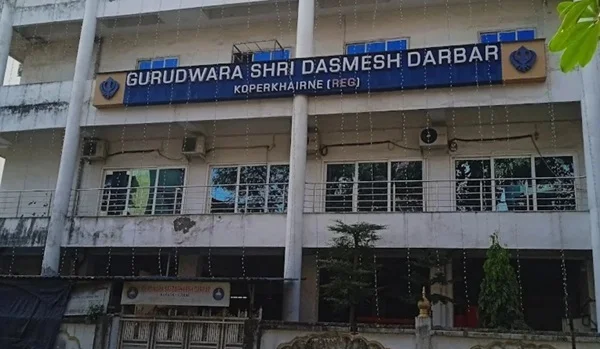
The name Dashmesh Darbar is associated with Sri Guru Gobind Singh Ji, the tenth Sikh Guru. Guru Gobind Singh Ji occupies a central place in Sikh history because of his role in strengthening the Sikh community and establishing the Khalsa in 1699.
Gurudwaras bearing the name Dashmesh Darbar generally commemorate the spiritual legacy and teachings of Guru Gobind Singh Ji. The central message associated with his life includes faith, courage, equality, justice, discipline, and devotion to God.
The Gurudwara serves as a place where devotees can remember the Guru’s teachings through Gurbani, Ardas, Kirtan and Seva. Religious gatherings and community activities further strengthen its role as a centre of Sikh spiritual and social life.
For the exact historical background of the particular Gurudwara Shri Dashmesh Darbar you are referring to, the location is important because different Gurudwaras use this name and may have completely different local histories.
Daily Prayers and Religious Services
Daily religious activities at the Gurudwara generally follow traditional Sikh practices.
Regular services may include:
- Nitnem Path
- Gurbani Kirtan
- Hukamnama
- Ardas
- Simran
- Guru Granth Sahib Ji Darshan
- Rehras Sahib
- Kirtan Sohila
- Langar Seva
On Gurpurabs and other important Sikh occasions, the Gurudwara may organise special programmes such as:
- Akhand Path Sahib
- Special Gurbani Kirtan
- Kirtan Darbar
- Religious discourses
- Community prayer gatherings
- Extended Langar Seva
The exact programme and timings can vary according to the Gurudwara’s local schedule.
Langar Seva
Langar Seva is an important expression of Sikh values at Gurudwaras. Visitors are traditionally welcomed to share a free vegetarian meal without discrimination based on religion, caste, social status, or economic background.
Langar reflects the principles of equality, compassion, humility, and selfless service.
Visitors may participate in different forms of Seva, including:
- Preparing food
- Serving Langar
- Cleaning utensils
- Maintaining the Langar area
- General cleanliness and community service
Participating in Seva allows visitors to experience an important aspect of Sikh community life.
Facilities Available
| Facility | Availability |
| Daily Langar | Yes |
| Drinking Water | Generally available |
| Prayer Hall | Yes |
| Shoe Deposit | Available |
| Washrooms | Generally available |
| Parking | Subject to availability |
| Seating Area | Yes |
| Seva Facilities | Yes |
| Accommodation | Depends on the specific Gurudwara |
| Wheelchair Accessibility | Depends on local facilities |
Facilities can differ significantly between Gurudwaras with the same or similar names. Visitors requiring accommodation or accessibility support should confirm arrangements locally before travelling.
Major Festivals Celebrated
Important Sikh religious occasions are generally observed with devotion and community participation.
Major celebrations may include:
- Guru Gobind Singh Ji Gurpurab
- Guru Nanak Dev Ji Gurpurab
- Baisakhi
- Bandi Chhor Divas
- Hola Mohalla
- Other Gurpurabs and Sikh religious occasions
These celebrations may include Akhand Path Sahib, Gurbani Kirtan, Ardas, religious discourses, Nagar Kirtan where applicable, and special Langar Seva.
Gurudwara Etiquette
Visitors should follow basic Gurudwara etiquette:
- Cover your head before entering.
- Remove your shoes at the designated area.
- Wear clean and modest clothing.
- Wash your hands before entering the prayer area where facilities are provided.
- Maintain silence inside the Darbar Sahib.
- Keep your mobile phone on silent mode.
- Avoid tobacco, alcohol, and intoxicants.
- Sit respectfully during Gurbani Kirtan.
- Do not disturb devotees during prayer.
- Maintain cleanliness throughout the Gurudwara complex.
How to Reach
Because Gurudwara Shri Dashmesh Darbar is a name used by multiple Gurudwaras, the correct route depends on its city and address.
By Metro
If the Gurudwara is located in a city with metro connectivity, the nearest metro station can be used followed by an auto-rickshaw, e-rickshaw, taxi, or local transport.
By Bus
Local and regional buses can provide access depending on the Gurudwara’s location. Visitors should check the nearest bus stop after confirming the exact address.
By Railway
For visitors travelling from another city, the nearest major railway station can be used before continuing by local road transport.
By Air
Visitors travelling from outside the region can use the nearest airport and continue to the Gurudwara by taxi or public transportation.
By Car
Travelling by private car or taxi is generally convenient, particularly for families and groups. Parking availability depends on the specific Gurudwara and may become limited during major religious events.
Nearby Places
Nearby attractions also depend on the specific location of Gurudwara Shri Dashmesh Darbar. Once the city is confirmed, nearby Gurudwaras, historical sites, markets, temples, monuments, and other attractions can be included accurately.
Why People Visit Gurudwara Shri Dashmesh Darbar
People visit the Gurudwara to:
- Pay respects to Sri Guru Gobind Singh Ji
- Listen to Gurbani Kirtan
- Perform Ardas and Simran
- Seek spiritual peace
- Participate in Langar
- Perform Seva
- Learn about Sikh teachings
- Celebrate Gurpurabs with the Sangat
- Spend peaceful time in the Darbar Sahib
The Gurudwara represents the enduring values associated with Guru Gobind Singh Ji, particularly devotion, courage, equality, and service.
Visitor Tips
- Cover your head before entering.
- Wear clean and modest clothing.
- Remove footwear at the designated location.
- Keep your phone on silent inside the prayer hall.
- Participate in Langar respectfully.
- Follow instructions given by Sevadars.
- Avoid tobacco, alcohol, and intoxicants.
- During Gurpurabs and major events, arrive early because of larger crowds.
- Confirm the local prayer schedule before attending a specific programme.
- Check the exact address before travelling because multiple Gurudwaras may use the name Dashmesh Darbar.
Frequently Asked Questions
Is there any entry fee at Gurudwara Shri Dashmesh Darbar?
No. Entry to a Gurudwara is generally free.
Is Langar available?
Yes. Langar Seva is generally an important part of Gurudwara activities, although serving arrangements can vary by location and occasion.
Who is Dashmesh Guru?
Dashmesh Pita is a revered name for Sri Guru Gobind Singh Ji, the tenth Sikh Guru.
Can non-Sikhs visit Gurudwara Shri Dashmesh Darbar?
Yes. People from all religions and backgrounds are welcome to visit a Gurudwara while observing its customs and maintaining respectful behaviour.
What should I wear when visiting the Gurudwara?
Visitors should wear clean and modest clothing and cover their head before entering the Darbar Sahib.
Are prayers held every day?
Yes. Gurudwaras generally conduct daily Sikh prayers and religious services, although the exact schedule varies by location.
Conclusion
Gurudwara Shri Dashmesh Darbar represents the spiritual legacy of Sri Guru Gobind Singh Ji, the tenth Sikh Guru and the founder of the Khalsa. Through Gurbani, Ardas, Simran, Langar Seva and community service, the Gurudwara provides devotees and visitors with an opportunity to experience the core Sikh values of faith, equality, humility, courage, and selfless service.
Whether visiting for prayer, Darshan, Langar, Seva, or to learn more about the legacy of Guru Gobind Singh Ji, a Gurudwara named Dashmesh Darbar can offer a meaningful spiritual experience. For a location-specific article, the city/state is essential, because several Gurudwaras use the name “Shri Dashmesh Darbar”; the exact timings, address, history, nearby places, and route should not be mixed between them.
 admin