
Gurudwara Bhora Sahib, also known as Gurdwara Guru Ke Mahal Bhora Sahib, is a historic Sikh shrine in Anandpur Sahib, Punjab. It forms part of the historic Guru Ke Mahal complex and is closely associated with Sri Guru Tegh Bahadur Ji and Sri Guru Gobind Singh Ji.
The shrine is particularly important because of the bhora, or underground meditation chamber, where Guru Tegh Bahadur Ji used to meditate and compose hymns. The present Gurudwara is a three-storeyed domed building, with the historic underground chamber preserved within the complex.
Quick Information
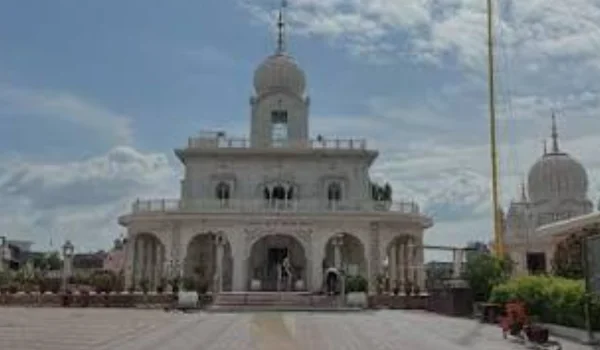
| Detail | Information |
| Name | Gurudwara Bhora Sahib |
| Also Known As | Gurdwara Guru Ke Mahal Bhora Sahib |
| Location | Anandpur Sahib, Rupnagar District, Punjab |
| Religious Tradition | Sikhism |
| Associated Gurus | Guru Tegh Bahadur Ji and Guru Gobind Singh Ji |
| Historical Complex | Guru Ke Mahal |
| Main Significance | Meditation site associated with Guru Tegh Bahadur Ji |
| Entry Fee | No regular entry fee |
| Langar | Available as part of Gurdwara tradition |
| Accommodation | Pilgrim accommodation is associated with the wider complex; confirm current availability |
| Nearest Railway Station | Anandpur Sahib |
| Nearest Major Airport | Chandigarh International Airport |
| Nearby Major Shrine | Takht Sri Kesgarh Sahib |
Gurudwara Bhora Sahib is part of the historic religious landscape of Anandpur Sahib, where several important Sikh shrines are located close to one another.
History of Gurudwara Bhora Sahib
The history of Bhora Sahib goes back to the time of Guru Tegh Bahadur Ji, the ninth Sikh Guru. Guru Tegh Bahadur Ji established Chak Nanaki, the settlement that later became Anandpur Sahib, and Guru Ke Mahal became his residence.
Within Guru Ke Mahal, Guru Tegh Bahadur Ji had a bhora, an underground chamber used for solitary meditation. The present Gurudwara preserves the memory of this sacred space. Sources describe a raised platform in the basement marking the location associated with the original meditation chamber.
Guru Gobind Singh Ji also lived at Guru Ke Mahal. The complex is associated with important events in the early life of the tenth Guru and his family. The wider Guru Ke Mahal complex includes Bhora Sahib, Thara Sahib, Damdama Sahib and other historic sites.
The National Mission on Monuments and Antiquities also lists Gurudwara Shri Bhora Sahib among Sikh built-heritage sites in Punjab and records its historical period as approximately the 17th–18th centuries.
Bhora Sahib and Guru Tegh Bahadur Ji
The most important feature of this Gurudwara is the underground bhora associated with Guru Tegh Bahadur Ji.
A bhora is an underground or secluded chamber traditionally used for meditation. At Bhora Sahib, Guru Tegh Bahadur Ji is remembered as having spent time in solitary meditation and composing hymns.
The present structure has several levels, with the historic bhora represented in the basement. The site therefore provides visitors with a direct connection to an important period in the history of the ninth Sikh Guru.
Daily Prayers and Religious Activities
As a historic Gurdwara, Bhora Sahib is a place for Sikh worship and remembrance. Religious activities can include:
- Gurbani Kirtan
- Nitnem
- Ardas
- Darshan of Sri Guru Granth Sahib Ji
- Religious discourses
- Path programmes
- Sangat gatherings
- Langar Seva
- Special Gurpurab programmes
Exact daily opening and prayer timings are not consistently published in authoritative online sources. Visitors attending a particular programme should therefore confirm the current schedule locally.
Langar at Gurudwara Bhora Sahib
Guru Ka Langar is an important part of Sikh religious practice and community service. Visitors to the Gurdwara can participate in Langar according to the arrangements of the local management.
Langar represents the Sikh principles of equality, sharing and Seva. Everyone is welcome to sit together and partake in the community meal.
Visitors can also participate in Seva where permitted, including:
- Serving food
- Preparing Langar
- Cleaning utensils
- Maintaining the Langar area
- General cleaning and community service
The wider Guru Ke Mahal complex has historically included arrangements connected with Langar and accommodation for pilgrims.
Facilities at Gurudwara Bhora Sahib
Facilities can vary according to the current arrangements at the complex.
| Facility | Information |
| Darbar Sahib | Available |
| Historic Bhora | Preserved within the Gurudwara |
| Guru Ka Langar | Available |
| Sangat Area | Available |
| Religious Programmes | Held according to the Sikh calendar |
| Pilgrim Accommodation | Available in the wider complex/area; confirm current arrangements |
| Parking | Available around the Anandpur Sahib pilgrimage area, subject to crowd conditions |
| Washrooms | Visitor facilities are available in the wider pilgrimage complex |
| Photography | Follow local Gurdwara rules |
Because Bhora Sahib is part of a historic pilgrimage area, arrangements can be different during major Sikh festivals and large gatherings.
Major Sikh Festivals and Events
Visitors may see larger congregations during important Sikh occasions.
Hola Mohalla
Hola Mohalla is one of Anandpur Sahib’s most important annual Sikh events. Anandpur Sahib attracts large numbers of pilgrims during the festival, with religious programmes, Kirtan, community gatherings and traditional martial-art displays.
Vaisakhi
Vaisakhi is particularly significant to Anandpur Sahib because Guru Gobind Singh Ji established the Khalsa in 1699 at Anandpur Sahib. The city’s historic Gurdwaras receive large numbers of devotees around the occasion.
Guru Tegh Bahadur Ji Gurpurab
Programmes remembering Guru Tegh Bahadur Ji are particularly meaningful at Bhora Sahib because of the shrine’s direct historical association with the ninth Guru.
Guru Gobind Singh Ji Gurpurab
Religious programmes are also held to commemorate Guru Gobind Singh Ji and important events associated with his life.
Gurdwara Etiquette for Visitors
Visitors should follow standard Sikh religious etiquette:
- Cover your head before entering the Darbar Sahib.
- Remove your shoes before entering the prayer area.
- Wear clean and respectful clothing.
- Do not carry or consume tobacco, alcohol or intoxicants inside the premises.
- Maintain silence during Gurbani and Ardas.
- Keep your mobile phone on silent.
- Follow instructions from Sewadars.
- Keep the premises clean.
- Ask before photographing people or religious ceremonies.
- Participate in Langar and Seva respectfully.
People from all communities are welcome, but visitors should respect the sanctity of the religious site.
How to Reach Gurudwara Bhora Sahib
By Road
Anandpur Sahib is a major Sikh pilgrimage destination in Punjab and is connected by road with Chandigarh, Rupnagar, Kiratpur Sahib and other cities in Punjab.
The Gurudwara is located within the historic Guru Ke Mahal area of Anandpur Sahib. Visitors travelling by taxi or private vehicle can use the local Gurdwara landmarks for navigation.
By Train
Anandpur Sahib railway station provides rail connectivity to the town. From the station, visitors can continue by local taxi, auto-rickshaw or other road transport towards the historic Gurdwara area.
By Air
The nearest major airport is Chandigarh International Airport. From the airport, visitors can travel by road towards Anandpur Sahib.
The Punjab government identifies Sirhind Junction and Fatehgarh Sahib railway station for the wider Fatehgarh Sahib pilgrimage area, while Anandpur Sahib has its own railway connectivity for visitors travelling to the town.
Nearby Sikh Places to Visit
One of the advantages of visiting Bhora Sahib is that several major Sikh historical sites are located in and around Anandpur Sahib.
Takht Sri Kesgarh Sahib
Takht Sri Kesgarh Sahib is one of the five Takhts of Sikhism and is the principal Sikh shrine of Anandpur Sahib. It is strongly associated with the creation of the Khalsa in 1699.
Gurdwara Damdama Sahib
Damdama Sahib is part of the Guru Ke Mahal area and is associated with important events in the history of Guru Gobind Singh Ji.
Gurdwara Thara Sahib
Thara Sahib is another historic site within the Guru Ke Mahal complex. It is associated with Guru Tegh Bahadur Ji and the visit of the Kashmiri Pandits who sought his protection.
Gurdwara Sis Ganj Sahib
Sis Ganj Sahib is another major historic Gurdwara in Anandpur Sahib connected with Guru Tegh Bahadur Ji.
Gurdwara Anandgarh Sahib
The historic Anandpur Sahib area also contains Gurdwaras associated with the forts built during the time of Guru Gobind Singh Ji.
Why People Visit Gurudwara Bhora Sahib
People visit Bhora Sahib mainly because of its strong connection with Guru Tegh Bahadur Ji and Guru Ke Mahal.
Visitors come to:
- Pay respects at the historic site
- Learn about Guru Tegh Bahadur Ji’s life
- See the historic bhora
- Offer prayers
- Listen to Gurbani
- Participate in Langar
- Perform Seva
- Visit other historic Gurdwaras in Anandpur Sahib
- Experience the spiritual atmosphere of the city
The site is particularly meaningful for visitors interested in Sikh history and the development of Anandpur Sahib.
Visitor Tips
- Plan enough time to visit the other historic Gurdwaras in Anandpur Sahib.
- Carry a head covering.
- Remove shoes before entering the Darbar Sahib.
- Wear modest clothing.
- Check the local schedule if attending a specific programme.
- Expect heavy crowds during Hola Mohalla and other major Sikh occasions.
- Follow photography restrictions inside historic and religious areas.
- Participate in Langar respectfully.
- Keep the surroundings clean.
- Allow additional travel time during major festivals.
Frequently Asked Questions
Where is Gurudwara Bhora Sahib located?
Gurudwara Bhora Sahib is located in the historic Guru Ke Mahal complex at Anandpur Sahib in Rupnagar district, Punjab.
Why is Bhora Sahib famous?
Bhora Sahib is famous for its association with Guru Tegh Bahadur Ji, who used an underground chamber at the site for solitary meditation and composing hymns.
Who is associated with Gurudwara Bhora Sahib?
The shrine is primarily associated with Guru Tegh Bahadur Ji and Guru Gobind Singh Ji. Guru Tegh Bahadur Ji’s residence at Guru Ke Mahal and his meditation chamber are central to its historical significance.
Is there an entry fee?
There is generally no entry fee for visiting a Gurdwara. Visitors are welcome to enter and pay their respects.
Is Langar available?
Yes. Guru Ka Langar is part of the Sikh tradition and is associated with the Gurdwara and wider Guru Ke Mahal pilgrimage complex.
What is the nearest railway station?
Anandpur Sahib railway station is the principal railway option for visitors travelling to Anandpur Sahib.
Which airport is nearest to Anandpur Sahib?
Chandigarh International Airport is the nearest major airport commonly used by visitors travelling to Anandpur Sahib.
Is Gurudwara Bhora Sahib near Takht Sri Kesgarh Sahib?
Yes. Both are important Sikh sites within the Anandpur Sahib pilgrimage area, making it practical for visitors to include them in the same visit.
Conclusion
Gurudwara Bhora Sahib in Anandpur Sahib is a historically important Sikh shrine associated with Guru Tegh Bahadur Ji and Guru Ke Mahal. Its defining feature is the historic underground bhora, remembered as the place where the ninth Guru spent time in solitary meditation and composed hymns.
Located in one of Punjab’s most important Sikh pilgrimage towns, Bhora Sahib can be visited along with Takht Sri Kesgarh Sahib, Damdama Sahib, Thara Sahib and other historic Gurdwaras. Visitors should follow standard Gurdwara etiquette and check current programme timings locally, particularly during major occasions such as Hola Mohalla and Vaisakhi.