
A Gurudwara Shri Guru Singh Sabha is a Sikh place of worship that welcomes people from all religions, communities, and backgrounds. While many Gurudwaras across India and around the world share the name Guru Singh Sabha, each serves its local community while following the same core Sikh values of equality, selfless service (Seva), devotion to God, and community welfare.
Unlike historical Gurudwaras built at locations associated with the Sikh Gurus, most Guru Singh Sabha Gurudwaras are community-managed institutions established to provide a place for prayer, religious education, Langar (community kitchen), and social service.
Whether you are visiting for worship, attending a religious event, or simply wishing to experience Sikh traditions, this guide explains everything you need to know about Gurudwara Shri Guru Singh Sabha.
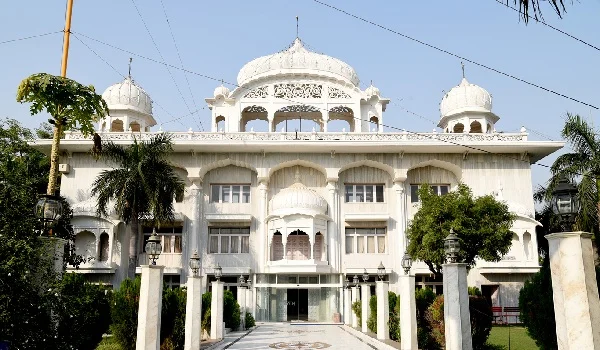
Quick Information
| Particular | Details |
| Place Type | Sikh Place of Worship |
| Religion | Sikhism |
| Common Name | Gurudwara Shri Guru Singh Sabha |
| Purpose | Prayer, Langar, Community Service, Religious Education |
| Open To | Everyone, regardless of religion or nationality |
| Main Holy Scripture | Guru Granth Sahib Ji |
| Daily Activities | Nitnem, Kirtan, Ardas, Hukamnama, Langar |
| Dress Code | Modest clothing with head covered |
| Entry Fee | Free |
| Photography | Allowed in many areas, subject to local rules |
| Best Time to Visit | Morning or Evening Prayer Sessions |
What Does “Guru Singh Sabha” Mean?
The name Guru Singh Sabha reflects the ideals of Sikhism and the community organizations inspired by the historic Singh Sabha Movement, which promoted Sikh education, religious awareness, and community development.
Many Gurudwaras use this name to represent:
- Faith in the teachings of the Sikh Gurus
- Promotion of Sikh values
- Religious education
- Community welfare
- Unity among devotees
- Preservation of Sikh traditions
Although these Gurudwaras share a common name, each one operates independently and serves the needs of its local congregation.
History of the Singh Sabha Movement
The Singh Sabha Movement began during the late 19th century to strengthen Sikh identity and encourage education, religious reform, and social awareness among Sikhs.
Its major objectives included:
- Promoting the teachings of the Sikh Gurus
- Preserving Sikh traditions
- Encouraging literacy and education
- Publishing Sikh literature
- Establishing schools and religious institutions
- Building Gurudwaras for local communities
Many community Gurudwaras established later adopted the name Guru Singh Sabha as a tribute to these ideals.
Importance of Gurudwara Shri Guru Singh Sabha
A Guru Singh Sabha Gurudwara is much more than a place of worship. It serves as a community center where people gather for spiritual guidance, education, charitable activities, and social support.
Its importance includes:
- Daily worship
- Community gatherings
- Free Langar service
- Religious education
- Gurbani Kirtan
- Celebrations of Sikh festivals
- Charity and humanitarian work
- Disaster relief and community assistance
Main Religious Activities
Most Guru Singh Sabha Gurudwaras organize regular religious programs throughout the day.
Common activities include:
- Nitnem prayers
- Asa Di Vaar
- Gurbani Kirtan
- Hukamnama
- Ardas
- Akhand Path
- Katha (religious discourse)
- Langar Seva
Special events are held on Gurpurabs and other important Sikh occasions.
Langar: The Heart of Every Gurudwara
One of the most respected traditions in Sikhism is Langar, a free community meal served to every visitor without discrimination.
Key features include:
- Completely free meals
- Open to all visitors
- Vegetarian food
- Prepared by volunteers
- Served while everyone sits together
- Symbol of equality and humility
Thousands of devotees participate in cooking, serving, and cleaning as an act of Seva.
Seva (Selfless Service)
Seva is one of the fundamental principles practiced in every Guru Singh Sabha Gurudwara.
Visitors often volunteer by:
- Serving food
- Washing utensils
- Cleaning the Gurudwara
- Managing footwear
- Helping elderly visitors
- Organizing community events
- Supporting charitable activities
Anyone can participate regardless of religion or background.
Architecture of Guru Singh Sabha Gurudwaras
Although architectural styles differ from one city to another, many Guru Singh Sabha Gurudwaras feature:
- Large prayer hall (Darbar Sahib)
- Nishan Sahib (Sikh flag)
- Langar Hall
- Community kitchen
- Sarai or guest accommodation (at selected locations)
- Library
- Classrooms for religious education
- Administrative offices
The central place inside every Gurudwara is where Guru Granth Sahib Ji is respectfully placed.
Daily Prayer Schedule
Prayer timings vary depending on the location, but a typical daily schedule includes:
| Time | Activity |
| Early Morning | Opening Ceremony & Nitnem |
| Morning | Asa Di Vaar & Kirtan |
| Throughout the Day | Individual Prayer & Langar |
| Evening | Rehras Sahib |
| Night | Kirtan Sohila & Closing Ceremony |
Visitors should check the timings of their local Guru Singh Sabha Gurudwara before visiting.
Major Festivals Celebrated
Guru Singh Sabha Gurudwaras celebrate all major Sikh festivals with great devotion.
Popular celebrations include:
- Guru Nanak Gurpurab
- Guru Gobind Singh Jayanti
- Baisakhi
- Hola Mohalla
- Bandi Chhor Divas
- Martyrdom Days of Sikh Gurus
- Akhand Path Programs
- Nagar Kirtan
These events often attract thousands of devotees.
Educational and Community Services
Many Guru Singh Sabha Gurudwaras also contribute to society through educational and welfare initiatives.
Common services include:
- Punjabi language classes
- Gurbani education
- Sikh history classes
- Medical camps
- Blood donation drives
- Scholarship programs
- Career guidance
- Community counseling
- Relief work during emergencies
Visitor Guidelines
To maintain the sanctity of the Gurudwara, visitors should follow these basic guidelines.
Before Entering
- Cover your head.
- Remove your shoes.
- Wash your hands if required.
- Maintain cleanliness.
- Dress modestly.
Inside the Prayer Hall
- Maintain silence.
- Switch mobile phones to silent mode.
- Bow respectfully before Guru Granth Sahib Ji.
- Sit on the floor if attending prayers.
- Follow volunteer instructions.
During Langar
- Sit in the designated area.
- Accept food respectfully.
- Avoid wasting food.
- Help with Seva if you wish.
Facilities Available
Depending on the location, facilities may include:
| Facility | Availability |
| Prayer Hall | Yes |
| Langar Hall | Yes |
| Drinking Water | Yes |
| Washrooms | Yes |
| Shoe Storage | Yes |
| Parking | Available at many locations |
| Wheelchair Access | Available at many Gurudwaras |
| Guest Accommodation | Available at selected locations |
| Library | Available at some Gurudwaras |
| Book Store | Available at many Gurudwaras |
Who Can Visit a Guru Singh Sabha Gurudwara?
Everyone is welcome.
People from all religions and nationalities may visit, provided they respect Gurudwara traditions.
No one is discriminated against based on:
- Religion
- Caste
- Gender
- Nationality
- Language
- Economic background
This openness reflects the Sikh principle of universal equality.
How to Find a Guru Singh Sabha Gurudwara Near You
Since there are numerous Guru Singh Sabha Gurudwaras across India and abroad, you can locate one by:
- Searching online using the city name
- Visiting local Sikh community websites
- Asking nearby residents
- Checking local Gurudwara directories
Each Gurudwara may have its own prayer schedule, Langar timings, and community programs.
Frequently Asked Questions
Is Guru Singh Sabha a historical Gurudwara?
Not necessarily. Many Guru Singh Sabha Gurudwaras are community-established places of worship rather than historical Sikh sites.
Is Langar free?
Yes. Every visitor can enjoy Langar free of cost.
Can non-Sikhs visit?
Yes. People of every religion are welcome.
Is there any entry fee?
No. Entry is completely free.
Why do so many Gurudwaras have the same name?
The name honors the ideals of the Singh Sabha movement and is commonly adopted by Sikh communities worldwide.
What should visitors wear?
Visitors should wear modest clothing and cover their heads before entering.
Can I volunteer?
Yes. Anyone can participate in Seva by helping with Langar, cleaning, or community activities.
Final Thoughts
A Gurudwara Shri Guru Singh Sabha is more than a place of prayer—it represents compassion, equality, service, and community. Whether you visit for spiritual reflection, Langar, volunteer work, or to learn about Sikh culture, you will experience the welcoming spirit that defines Sikhism.
Because many Gurudwaras share this name, it’s always a good idea to check the specific location’s timings, facilities, and special events before your visit. This guide serves as a general introduction and can help you understand the traditions and values common to Guru Singh Sabha Gurudwaras everywhere.
 admin
admin