
Pakistan is home to some of the most important historical Sikh shrines in the world. Many of these gurdwaras are connected directly with the lives and journeys of the Sikh Gurus, making Pakistan an important destination for Sikh pilgrimage and heritage.
From Nankana Sahib, the birthplace of Guru Nanak Dev Ji, to Kartarpur Sahib, where Guru Nanak spent the final years of his life, these shrines preserve important chapters of Sikh history. Other major pilgrimage sites include Panja Sahib in Hasan Abdal, Dera Sahib in Lahore, Sacha Sauda near Farooqabad and Rori Sahib in Eminabad. Pakistan’s ETPB officially lists these among its major functional Sikh shrines.
For Sikh pilgrims, visiting these gurdwaras is not simply a sightseeing experience. It is an opportunity to connect with places associated with the Gurus, historic Sikh communities and centuries-old religious traditions.
Quick Information
| Information | Details |
| Country | Pakistan |
| Main Sikh Region | Punjab |
| Major Gurdwaras | Nankana Sahib, Kartarpur Sahib, Panja Sahib, Dera Sahib, Sacha Sauda, Rori Sahib |
| Important City | Nankana Sahib |
| Major Pilgrimage Site | Gurdwara Janam Asthan |
| Guru Nanak’s Final Years | Kartarpur Sahib |
| Major Vaisakhi Shrine | Panja Sahib |
| Major Lahore Shrine | Dera Sahib |
| Langar | Available at major pilgrimage sites |
| Accommodation | Available at major shrines according to pilgrimage arrangements |
| Entry | Subject to applicable travel, visa, security and shrine rules |
| Kartarpur Access | Through the Kartarpur Corridor for eligible visitors |
| Management Framework | ETPB / Pakistan Sikh Gurdwara Prabandhak Committee and local religious institutions |
Major Gurudwaras in Pakistan
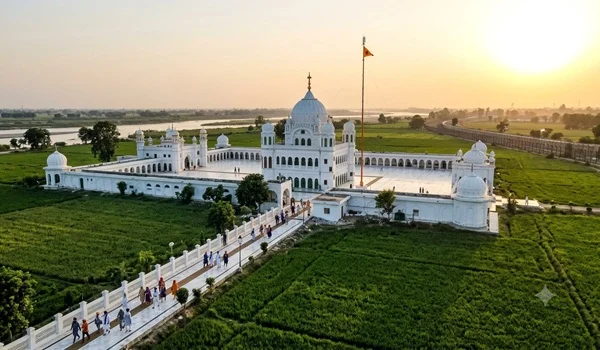
Pakistan has a number of historic gurdwaras spread across Punjab and other regions. Some are major international pilgrimage destinations, while others are smaller shrines forming part of important Sikh heritage circuits.
1. Gurdwara Janam Asthan, Nankana Sahib
Gurudwara Janam Asthan Nankana Sahib is regarded as one of the most sacred Sikh pilgrimage sites because it stands at the traditional birthplace of Guru Nanak Dev Ji, the founder of Sikhism.
The shrine is located in Nankana Sahib, Punjab, Pakistan, and forms part of a larger group of nine important gurdwaras in the city. The district administration identifies Janam Asthan as a protected heritage monument.
Nankana Sahib itself is named after Guru Nanak Dev Ji and has major historical and religious importance for Sikhs around the world.
The gurdwara is an important destination during the annual celebrations of Guru Nanak Dev Ji’s birth anniversary.
2. Gurdwara Darbar Sahib Kartarpur
Gurdwara Kartarpur Sahib, also known as Gurdwara Darbar Sahib Kartarpur, is located in Kartarpur in Narowal District.
Guru Nanak Dev Ji spent the final 18 years of his life at Kartarpur. The site therefore holds exceptional importance in Sikh history. The present shrine stands near the Ravi River and is closely associated with the Kartarpur Corridor, which provides an organised route for eligible pilgrims travelling from India.
The Kartarpur Corridor was opened in November 2019, creating a historic pilgrimage connection between India and the shrine in Pakistan.
3. Gurdwara Panja Sahib, Hasan Abdal
Gurudwara Sri Panja Sahib is located in Hasan Abdal, Punjab, near Islamabad and Rawalpindi.
Panja Sahib is particularly famous for the sacred Panja, or handprint tradition, associated with Guru Nanak Dev Ji. The gurdwara complex also contains a sacred pool and is one of the major destinations on the Sikh pilgrimage circuit in Pakistan.
The ETPB identifies Panja Sahib as one of Pakistan’s major gurdwaras and hosts important Sikh celebrations there, including the main Vaisakhi ceremony.
4. Gurdwara Dera Sahib, Lahore
Gurdwara Dehra Sahib Sri Guru Arjan Dev is situated in the historic centre of Lahore.
The shrine is strongly associated with the martyrdom of Guru Arjan Dev Ji, the fifth Sikh Guru. It is located near other important heritage landmarks of Lahore, including the Lahore Fort and Badshahi Mosque.
Dera Sahib is one of the gurdwaras included in Pakistan’s official list of major Sikh shrines.
5. Gurdwara Sacha Sauda
Gurdwara Sacha Sauda is located near Farooqabad in Punjab, Pakistan.
The shrine is associated with an important episode from the early life of Guru Nanak Dev Ji and forms part of the pilgrimage circuit followed by Sikh yatris visiting Pakistan.
The ETPB lists Sacha Sauda among Pakistan’s functional and major gurdwaras.
6. Gurdwara Rori Sahib, Eminabad
Gurdwara Rori Sahib is located in Eminabad, Gujranwala District.
It is another historic shrine connected with Guru Nanak Dev Ji and is included in the official list of functional Sikh gurdwaras maintained under the ETPB framework.
It is commonly included in pilgrimage itineraries covering the important Sikh sites of Punjab.
7. Gurdwara Bhai Joga Singh, Peshawar
Gurdwara Bhai Joga Singh is located in Peshawar and represents the historic Sikh presence in the northwestern part of the region.
Although it is not as frequently visited by international pilgrims as Nankana Sahib, Kartarpur or Panja Sahib, it remains part of Pakistan’s officially recognised list of functional gurdwaras.
Other Important Gurdwaras in Pakistan
The official ETPB list includes several other functional Sikh shrines, particularly around Nankana Sahib.
These include:
- Gurdwara Patti Sahib – Nankana Sahib
- Gurdwara Tambo Sahib – Nankana Sahib
- Gurdwara Balila Sahib – Nankana Sahib
- Gurdwara Malji Sahib – Nankana Sahib
- Gurdwara Kiara Sahib – Nankana Sahib
- Gurdwara Panjvi Chati Patshahi – Nankana Sahib
- Gurdwara Babay De Ber – Sialkot
Together, these sites form a wider network of Sikh heritage destinations across Pakistan.
History of Sikhism and Gurdwaras in Pakistan
The territory that is now Pakistan contains many places directly connected with the history of Sikhism.
Punjab, in particular, was central to the lives and travels of the Sikh Gurus. Guru Nanak Dev Ji travelled extensively across the region, while later Gurus established Sikh institutions and interacted with local sangats.
Nankana Sahib is associated with Guru Nanak’s birth, while Kartarpur is associated with the final period of his life. Other locations commemorate events connected with Guru Arjan Dev Ji, Guru Hargobind Sahib Ji and later Sikh history.
The Sikh heritage of these sites continued even after the political division of Punjab in 1947, although the large-scale migration of Sikh communities from areas that became Pakistan significantly changed the religious and demographic landscape.
Langar at Pakistani Gurdwaras
Langar remains an important part of the experience at major Pakistani gurdwaras.
The ETPB states that arrangements are made for langar for Sikh yatris during their visits to Pakistan. It also lists accommodation, security, transport, medical support and other facilities for pilgrims visiting major shrines.
Langar follows the Sikh principle that everyone should be able to sit together and share a meal regardless of social or religious background.
At major pilgrimage sites such as Kartarpur Sahib and Panja Sahib, community dining facilities form an important part of the pilgrim experience.
Facilities for Pilgrims
Major Pakistani gurdwaras provide various facilities for visiting pilgrims.
Depending on the shrine and current arrangements, these may include:
- Langar
- Accommodation
- Drinking water
- Washrooms
- Prayer halls
- Religious programme facilities
- Security arrangements
- Medical assistance
- Transport support during organised pilgrimages
- Currency exchange facilities
The ETPB specifically states that accommodation, security, health cover, langar and transport arrangements are provided for organised Sikh yatris during major pilgrimage occasions.
Facilities can vary from one gurdwara to another.
Gurudwara Timings in Pakistan
There is no single timing for all gurdwaras in Pakistan.
Opening arrangements can vary depending on the shrine, religious programmes, security conditions and pilgrimage schedules.
For example, current public listings show daytime visiting hours for Gurdwara Janam Asthan and Kartarpur Sahib, while some smaller gurdwaras are listed as accessible throughout the day.
Therefore, visitors should confirm the latest visiting arrangements before travelling.
Entry Rules and Visitor Guidelines
Visitors to Pakistani gurdwaras should follow standard Sikh religious etiquette:
- Cover your head before entering the Darbar Sahib.
- Remove your shoes.
- Wear modest and respectful clothing.
- Maintain cleanliness.
- Avoid tobacco, alcohol and intoxicating substances.
- Respect Gurbani and religious ceremonies.
- Follow security instructions.
- Do not photograph restricted areas.
- Follow instructions from gurdwara staff and sewadars.
For international and Indian pilgrims, additional passport, visa, registration and security requirements may apply.
How Indian Pilgrims Can Visit Gurdwaras in Pakistan
Indian citizens cannot simply travel to Pakistan and visit every gurdwara without meeting applicable entry requirements.
Pilgrimage visits are governed by the India-Pakistan bilateral framework for visits to religious shrines, along with current visa, security and administrative procedures.
The ETPB states that Sikh pilgrims from India are permitted to visit Pakistan for specified religious occasions under the applicable arrangements.
For example, the ETPB’s current information lists:
- Vaisakhi at Panja Sahib
- Guru Arjan Dev Ji’s martyrdom anniversary in Lahore
- Guru Nanak Dev Ji’s birth anniversary at Nankana Sahib
as important occasions for organised Sikh pilgrimage.
Kartarpur Corridor
Kartarpur is different because the Kartarpur Corridor provides a dedicated cross-border pilgrimage mechanism for eligible visitors from India.
The corridor operates under an India-Pakistan arrangement, and visitors must follow the applicable registration, documentation, security and entry procedures.
Because rules and operational arrangements can change, travellers should verify the latest requirements before planning their journey.
Best Time to Visit Pakistani Gurdwaras
The ideal time depends on the shrine and purpose of travel.
For Major Festivals
Pilgrims may choose important occasions such as:
- Vaisakhi
- Guru Nanak Dev Ji’s Gurpurab
- Guru Arjan Dev Ji’s martyrdom anniversary
- Other major Sikh religious events
These occasions provide a unique opportunity to experience large religious gatherings.
For a Quieter Visit
If permitted under the applicable travel arrangements, visiting outside major festival periods may offer a more peaceful experience with fewer crowds.
Why Visit Gurdwaras in Pakistan?
The Pakistani gurdwaras are important not only because of their religious value but also because they preserve the history of Sikhism in the Punjab and surrounding regions.
Some of the main reasons to visit include:
- Birthplace of Guru Nanak Dev Ji at Nankana Sahib
- Final years of Guru Nanak Dev Ji at Kartarpur
- Historic Panja Sahib shrine
- Sites associated with Sikh Gurus and martyrs
- Historic Sikh architecture
- Traditional langar and seva
- Opportunity to explore Sikh heritage in historic Punjab
- Connection with centuries-old Sikh pilgrimage traditions
For Sikh pilgrims, these locations represent a direct connection with some of the most important events in Sikh history.
Conclusion
Pakistan contains some of the most important Sikh heritage sites in the world. Nankana Sahib, Kartarpur Sahib, Panja Sahib, Dera Sahib, Sacha Sauda and Rori Sahib together form a remarkable network of historic gurdwaras connected with Guru Nanak Dev Ji, the Sikh Gurus and the development of Sikh tradition.
For Sikh pilgrims, these shrines offer an opportunity to visit places associated with the birth, travels, teachings and final years of Guru Nanak Dev Ji, as well as other significant chapters of Sikh history.
Among them, Gurdwara Janam Asthan Nankana Sahib and Gurdwara Darbar Sahib Kartarpur hold especially important places in Sikh pilgrimage, while Panja Sahib remains one of the major destinations for Vaisakhi celebrations.
Anyone planning a pilgrimage should check the latest travel, visa, security and shrine-access requirements before departure, as arrangements for international pilgrims can change.
 admin